How the Right Exhibition Stand Designing Turns Exhibition Stands into Lead-Generating Machines
May 8, 2026
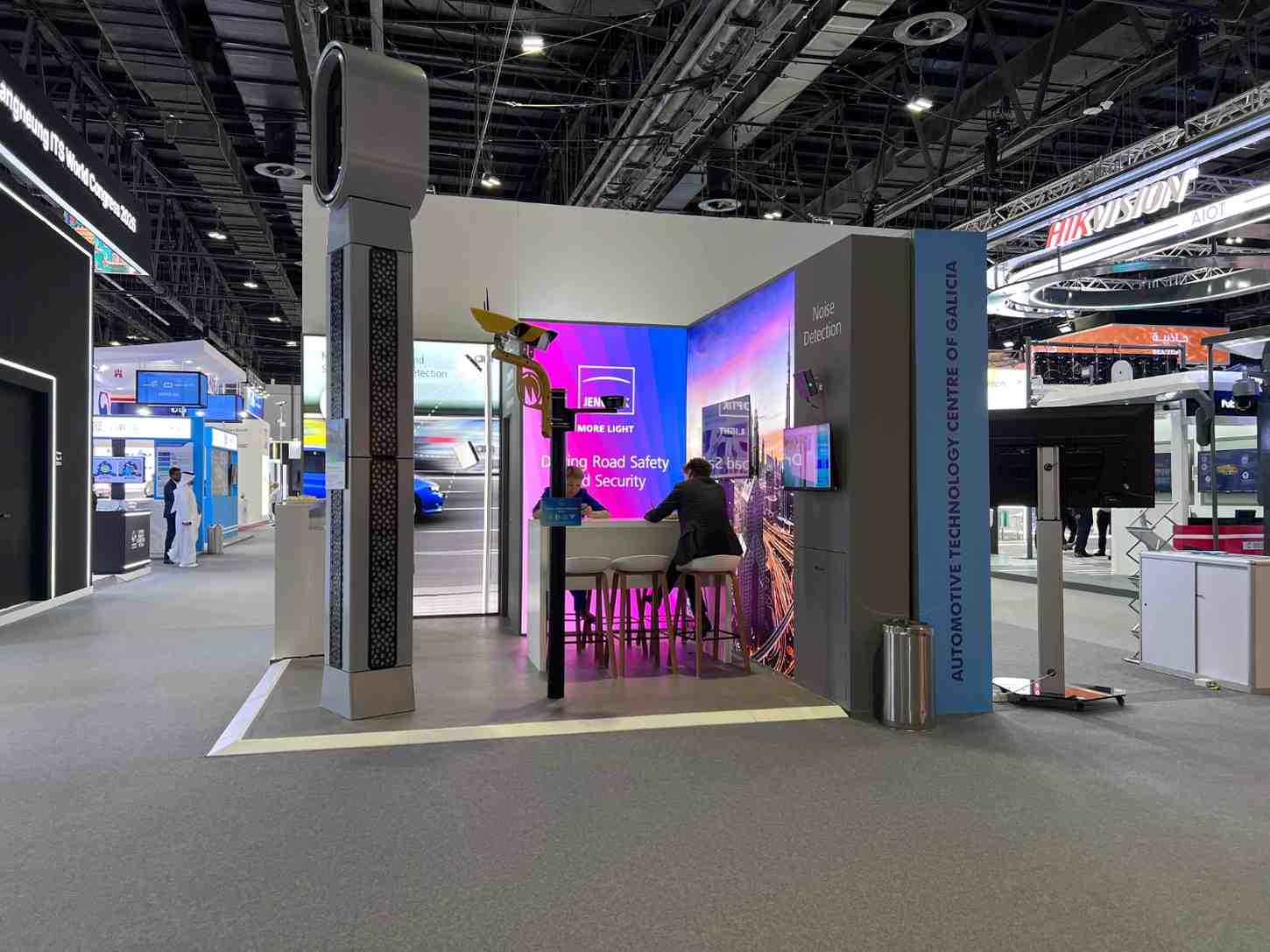
Walk any trade show floor, and you’ll notice something immediately: most booths look like furniture, and a handful look like destinations. The difference between a stand that collects dust and one that collects business cards comes down to intentional design. Exhibition stand designing in Los Angeleshas evolved far beyond printed banners and a folding table. Today, the best stands are engineered to attract, engage, and convert, just like a well-built sales funnel. This guide breaks down exactly how that happens, so read till the end because the section on layout psychology alone is worth the read.
What Exhibition Stand Designing Actually Means
Exhibition stand designing is the strategic process of planning, conceptualizing, and building a branded physical space at a trade show or exhibition that communicates a company’s identity, draws in target visitors, and creates an environment where sales conversations happen naturally.
The Design Elements That Separate Lead Magnets from Background Noise
The First Three Seconds Decide Everything
Research consistently shows that trade show visitors decide whether to approach a booth within three seconds of seeing it. Your stand’s visual hierarchy, the largest, boldest element a visitor sees first, must communicate exactly who you are and what problem you solve. If it takes longer than that to figure out, they’ve already moved on.
Strategic Use of Space Pulls People In
Empty space is not wasted space. Overcrowded stands feel like shops during a sale: overwhelming and easy to walk past. Intentional open layouts invite curiosity and create natural entry points. Visitors should feel drawn in rather than confronted. A good designer thinks about traffic flow before they think about graphics.
Lighting Is the Most Underestimated Tool
Warm accent lighting draws attention to product displays. Bright task lighting supports demo areas. Dramatic overhead lighting creates a premium atmosphere. Most companies treat lighting as an afterthought and then wonder why their expensive graphics look flat. Lighting is not a finishing touch. It is a core design decision that shapes the entire mood of the stand.
The Fabrication Quality Reflects Your Brand Quality
Visitors make unconscious judgments about your company based on the physical quality of your stand. Warped panels, cheap materials, and uneven finishes communicate that you cut corners. Working with the right exhibition booth fabrication company in Chicago means your stand holds up structurally, looks polished from every angle, and signals to visitors that you take your business seriously enough to invest in the details.
Messaging Hierarchy Guides the Visitor Journey
Your stand should speak in layers. The largest text answers: Who are you? The medium text answers: What do you do? The small text answers: Why does it matter to me? Visitors don’t read booths like documents. They scan. Design your messaging to work for someone who gives you five seconds, not five minutes.
Shell Scheme Spaces Are Not a Compromise
Many exhibitors treat shell scheme booths like a limitation. They don’t have to be. A thoughtfully executed best shell scheme booth design in Indianapolis proves that constraint can drive creativity. The right graphics, lighting additions, flooring, and furniture choices can completely transform a standard contractor shell into a branded experience that punches well above its square footage.
Technology Integration Turns Passive Visitors into Active Leads
Interactive product demos, digital lead capture tools, and well-placed screens that show case studies or testimonials give visitors a reason to stop, engage, and stay longer. Longer dwell time means more conversation. More conversation means more qualified leads. Technology doesn’t replace human connection at a stand; it creates the conditions for it.
The Bottom Line on Design and Lead Generation
A trade show booth is real estate, and like all real estate, location matters, but what you build on it matters more. Every design decision either moves a visitor closer to a conversation or pushes them toward the next booth. When every element, layout, lighting, materials, messaging, and technology, is working together toward the same goal, the stand stops being a display and starts being a sales tool. That is what great exhibition stand designing in Los Angeles actually delivers: not just attention, but results.
FAQs
How far in advance should I start planning my exhibition stand design?
Ideally, three to six months before the show date, especially if custom fabrication, permits, or international shipping logistics are part of your build requirements.
What is the biggest design mistake exhibitors make at trade shows?
Trying to say everything at once. Overcrowded messaging confuses visitors instantly. A focused, clear visual story always outperforms a stand trying to cover every product and service simultaneously.
Does stand size significantly affect lead generation potential?
Size helps with visibility, but design quality matters more. A well-designed, smaller stand consistently outperforms a large, poorly designed one in both visitor engagement and qualified lead volume.
Should my stand design change for different trade shows or stay consistent?
Keep your brand identity consistent, but adapt the layout and messaging focus to match each show’s specific audience. Relevant messaging for that crowd will always outperform a generic, one-size-fits-all approach.
How do I measure whether my exhibition stand design actually generated leads?
Track badge scans, digital form completions, demo requests, and post-show follow-up conversions. Set specific targets before the show so you have a clear benchmark to evaluate your stand’s actual performance against.