How Strategic Exhibition Booth Design Converts Foot Traffic into Leads
October 9, 2026
A busy exhibition aisle can bring hundreds of people past a booth, but foot traffic alone does not create business. A successful booth gives visitors a reason to stop, creates a useful conversation, and makes the next step simple. Strategic design can guide people from first glance to genuine interest, helping sales teams turn casual visitors into qualified leads.
Visitors Decide Faster Than You Think
People walking down an aisle give each booth only a few seconds. In that short time, they ask themselves one silent question: “Is this for me?” If the answer is not clear, they keep walking.
This is why your booth must explain itself quickly. A visitor must get to know:
what you sell
who you help
why it matters
without reading a long paragraph. Big, clear words work better than small, fancy ones. One strong line on your main wall does more work than ten small signs.
Build a Layout That Feels Open
Many booths fail because they feel closed. A big counter at the front acts like a wall. Visitors feel they must ask permission to step inside, and most will not.
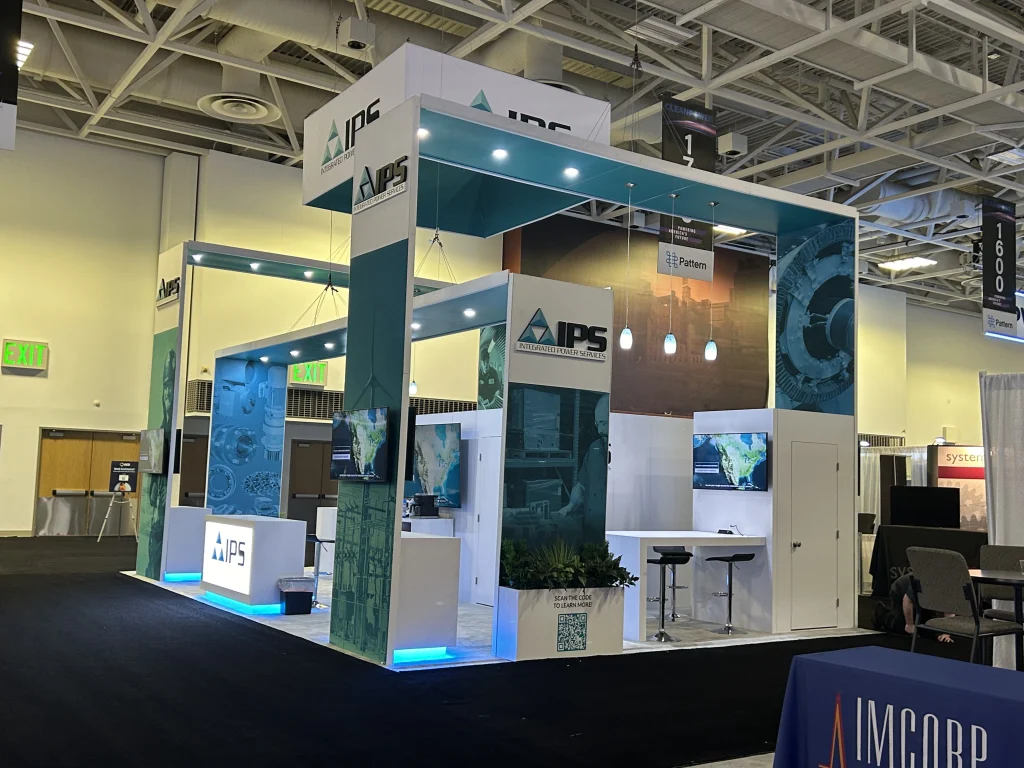
A better plan is to keep the front open and move the counter to the side. Leave enough floor space so people can step in and look around without feeling trapped. Think of your booth as a small shop with the door wide open.
Here are a few simple layout ideas that work well:
Keep walkways at the front clear and wide.
Place your best product at eye level, not on the floor.
Use corners and side walls to show more of your story.
Leave a quiet spot where two or three people can talk without shouting.
Use Light and Color to Pull People In
Trade shows often have dull, flat lighting. Bright spots on your products tell visitors where to look first.
Color matters too. Pick two or three colors that match your brand and use them again and again. Too many colors make a booth look messy and hard to read. Calm, clean colors also help visitors feel safe to stop and talk, especially after a long day of walking.
Give Visitors Something to Do
People remember what they touch and try far more than what they only see. A booth that lets visitors do something keeps them longer, and a longer stay means a better chance to talk.
You do not need costly tools to do this. A simple demo, a short quiz on a screen, or a table where visitors can test a sample can work well. Start the conversation right away. When a visitor is busy trying your product, your team can ask easy questions like “What brings you here today?” This feels natural and not pushy.
Place Your Team with Care
Even the best design cannot work alone. Your staff are part of the booth. Where they stand changes how people feel.
Staff who stand behind a counter with folded arms look closed off. Staff who stand near the open edge, with a smile, look friendly. A good rule is to keep one or two people near the front to greet visitors, while others stay inside to hold longer talks. Wear clear name badges and the same color shirts so visitors can spot your team quickly.
Make Lead Capture Simple
A lead is only useful if you can follow up. Many booths lose good leads because the sign up process is slow or confusing.
Make it easy. Use a tablet or a card scanner at a spot that is easy to reach. Ask only for what you really need, such as name, email, and one question about their needs. Add a small note after each chat, such as “wants a price list” or “call next week.” These notes help your sales team remember who is who after the show ends.
Mistakes That Quietly Cost You Leads
Some errors look small but cause big losses:
Too much text on the walls, which no one reads.
Hiding the brand name in a corner.
Crowding the floor with extra tables and chairs.
Forgetting to plan where visitors will charge phones or rest.
Not testing screens and lights before the doors open.
A walk around your booth before the show, from the aisle’s point of view, can catch many of these.
Choosing the Right Partner
Good design takes planning, skill, and experience with real show floors. Many businesses start by searching for the best exhibition services companies in Anaheim, especially when they plan to join large events held in Southern California. A strong partner will ask about your goals before drawing a single sketch.
Booth Deck Expo is one such team, offering exhibition stand design services that focus on how real visitors move, look, and decide. Their approach is simple: understand the goal, shape the space around it, and keep the message clear. If you plan to travel for shows in different cities, it also helps to compare options like exhibition booth design services in New York, so your brand looks the same wherever you appear.
When you review the best exhibition services companies in Anaheim, ask to see past work, ask how they plan the visitor path, and ask how they handle setup and removal. Booth Deck Expo can guide you through these steps so your stand is ready on time and built to bring in leads.
Final Thoughts
A booth is not just a display. It is a tool that welcomes, explains, and connects. When the layout is open, the message is clear, the lights draw attention, and your team is ready, foot traffic turns into real conversations. Plan with the visitor in mind, and the leads will follow.
Frequently Asked Questions
How long do visitors look at a booth before deciding to stop?
Most visitors decide within a few seconds. That is why a clear message, bright lighting, and an open front matter so much. If they understand your offer quickly, they are more likely to step inside.
Does a bigger booth always bring more leads?
No. A smaller booth with a clear message and open layout can perform better than a large, crowded one. Smart use of space and a friendly team matter more than size alone.
How many colors should I use in my booth design?
Two or three main colors are usually enough. Using too many can look messy and confuse visitors. Stick to your brand colors so people remember you after the show ends.
What is the easiest way to capture leads at a booth?
Use a card scanner placed within easy reach. Ask only for key details like name and email, and add a short note after each chat so your team can follow up quickly.