Custom vs Modular Exhibition Booths: Which Design Is Right for Your Brand?
September 4, 2026
Walk any trade show floor, and you can spot the brands that stand out before you even read their signage. That difference usually comes down to one decision made months earlier: custom or modular booth design. Choosing between them shapes your budget, your setup timeline, and how memorable your presence becomes. If you are exploring exhibition booth design services in New York and weighing which route fits your brand, this guide breaks down both paths so you can walk into your next show with a clear answer, not a guess.
What Custom and Modular Booths Actually Mean
Before comparing costs and outcomes, it helps to define the terms clearly, since many exhibitors use them loosely without understanding what each option truly involves.
Defining the Custom Exhibition Booth
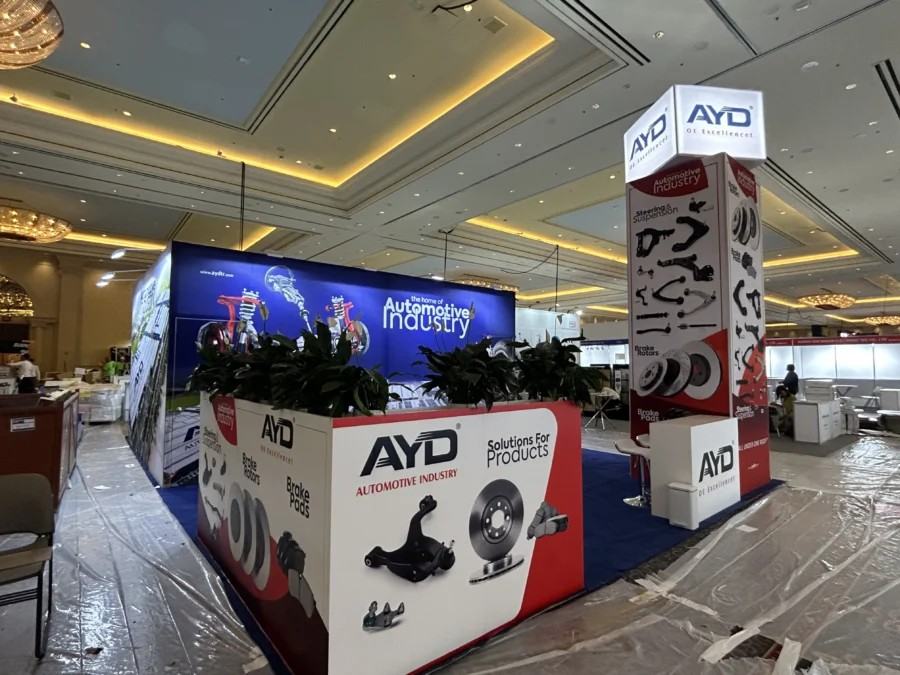
A custom booth is built from scratch around your brand’s specific dimensions, materials, and layout, with no two builds looking identical. Every panel, counter, and lighting fixture is designed for one purpose: representing your company at a particular show or space.
Defining the Modular Exhibition Booth
A modular booth uses pre-engineered components such as frames, panels, and connectors that can be reconfigured into different layouts. Think of it as a flexible toolkit rather than a single fixed structure, built for exhibitors who attend multiple shows with varying booth sizes.
Weighing the Investment: Cost and Budget Realities
Money is usually the first question on any exhibitor’s mind, so let’s address how each option affects your spending both upfront and over several shows.
Upfront Costs Tell Only Half the Story
Custom booths demand a higher initial investment because of bespoke fabrication and design labor. Modular booths cost less to produce initially, but the real comparison depends on how many events you plan to attend and whether reusability offsets that early custom price tag.
Long-Term Value Across Multiple Shows
Modular systems shine when your brand exhibits frequently, since components get reused and reconfigured across different floor plans. Custom booths, meanwhile, deliver stronger value when a single flagship event justifies a one-time architectural statement that competitors simply cannot replicate.
Brand Identity: How Each Option Shapes Perception
Your booth is often the first physical encounter a prospect has with your brand, so the design choice carries weight beyond aesthetics alone.
Custom Booths Build Distinct Brand Stories
Because every element is designed intentionally, custom booths let you weave brand storytelling into the structure itself, from curved walls to embedded product displays. This works well for brands making a bold market entrance or launching a flagship product.
For companies exhibiting across regions, modular design keeps branding uniform while adapting to different floor sizes. An expert design exhibition stand designer in Orange County can configure the same modular kit for a 10×10 booth one month and a 20×20 layout the next.
Practical Factors That Influence Your Final Choice
Show frequency: Frequent exhibitors benefit from modular reusability, while one-off major events often justify custom builds
Storage and logistics: Modular components pack compactly, whereas custom structures need dedicated storage and specialized transport
Setup timeline: Modular booths assemble faster with trained crews, while custom builds require longer install windows and technical coordination
When Hybrid Approaches Make Sense
Many exhibitors now blend both systems, using a modular base structure with custom graphics and accent pieces layered on top. This approach balances budget discipline with brand distinctiveness, giving you flexibility without sacrificing visual impact on the show floor.
Finding the Right Builder for Your Vision
Design intent only matters if execution matches it. Working with expert exhibition stand builders in Philadelphia ensures your chosen format, whether custom or modular, gets fabricated with precision, proper material sourcing, and realistic timelines that respect your show deadline.
Final Takeaway
There is no universal winner between custom and modular booths, only the right fit for your show calendar, budget, and brand ambitions. Frequent exhibitors often lean modular, while brands chasing a singular, unforgettable moment lean custom. Whichever path suits you, professional exhibition booth design services in New York can help translate that decision into a structure that performs on the floor and represents your brand exactly as intended, long after the show lights go down.
FAQs
Can a modular booth ever look as premium as a custom one?
Yes, with quality materials and thoughtful lighting, modular booths can achieve a premium finish, though true architectural uniqueness remains the custom booth’s distinct advantage.
How far in advance should custom booth design begin?
Most custom builds need three to four months for design, fabrication, and testing, especially for larger footprints requiring structural engineering or specialized materials.
Do modular booths limit creative freedom significantly?
Not entirely. Modern modular systems offer varied panel textures, lighting options, and graphic wraps, giving exhibitors meaningful creative range within a reusable framework.
What happens if my booth needs to change between shows?
Modular systems adapt easily through reconfiguration, while custom booths typically require partial rebuilds or added components to accommodate different show requirements.
Is renting a smarter choice than owning either option?
For occasional exhibitors, renting avoids storage costs and upfront investment entirely, making it practical for brands testing new markets before committing long-term.