Smart Exhibition Stand Design Strategies for Small Budgets
September 9, 2026
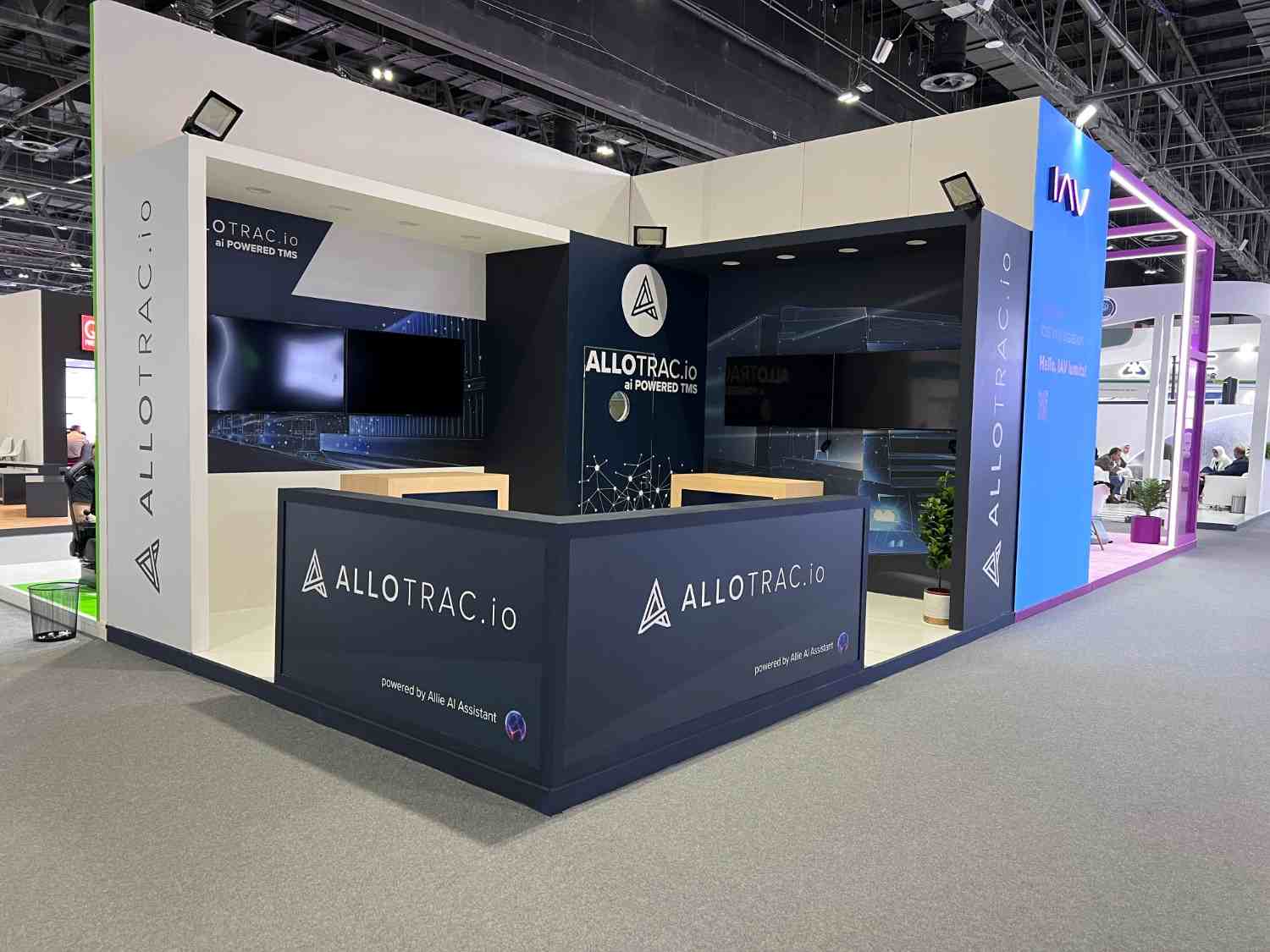
A small exhibition budget does not mean your stand must look basic or forgettable. Smart planning can help you create a stand that looks professional, supports your marketing goals, and gives visitors a reason to stop. The key is to spend money on elements that matter most while avoiding features that add cost without adding real value. With careful choices, even a modest stand can create strong impact.
Start With One Clear Goal
One of the biggest mistakes companies make with a small budget is trying to do everything at once. They may want product displays, meeting areas, large screens, storage, lighting effects, seating, and decorative features. Trying to fit everything into one stand can quickly increase costs.
Instead, decide what your stand must achieve.
For example, your main goal could be:
Collecting new customer leads
Demonstrating one main product
Launching a new service
Building brand awareness
Meeting existing business partners
Once you know the main goal, you can spend your budget more wisely. If lead collection is the priority, a simple meeting area and a strong enquiry system may be more useful than expensive decorative features.
Spend More on the Areas Visitors Notice First
A limited budget does not mean every part of the stand needs to be equally expensive. Put your money where visitors are most likely to look. Your main brand message, company name, product display, front-facing graphics, and visitor interaction area deserve more attention. Less important areas, such as hidden storage or the back side of a wall, can use simpler materials.
This approach creates a useful balance. The stand can look polished from the visitor’s point of view without requiring a high budget for every square metre.
For businesses looking for exhibition stand designing in Los Angeles, this is especially useful when working with strict event budgets. A good design team can help decide where visual investment will create the greatest effect.
Choose a Simple Structure With Strong Branding
A complicated stand structure often needs more materials, labour, transport, and installation time. A simpler structure can reduce these costs while still looking attractive.
Think about using a clean frame, a few well-placed walls, branded panels, and carefully selected display areas. The structure does not need unusual shapes simply to look different.
Your branding can do much of the visual work. Use your company colours, logo, short message, product images, and one clear value statement. Avoid filling every wall with text. Visitors often pass a stand quickly, so they should understand who you are and what you offer within a few seconds.
Printed graphics can become a hidden cost when every event requires completely new designs. A better approach is to create graphics that are flexible enough for several events.
For example, instead of putting a specific event name or date across your main backdrop, use a general brand message. You can then reuse the same graphic at another trade show.
Consider creating:
A main brand wall that works at different events
Product panels that can be moved or replaced
Modular graphic sections
Lightweight printed banners
Digital content that can be updated without replacing the physical structure
This can reduce waste and make future exhibition planning easier.
Pick Materials Based on Use, Not Appearance Alone
Expensive materials do not automatically create a better exhibition stand. Some materials may look impressive but offer little practical benefit for a company with a small budget.
Ask simple questions before choosing a material:
Is it easy to transport? Is it strong enough for repeated use? Can it be assembled quickly? Can it be stored safely after the event?
Lightweight aluminium frames, fabric graphics, reusable panels, and modular display systems can be useful options for many exhibitors. The best choice depends on the event rules, stand size, location, and number of times you plan to reuse the stand. A budget-friendly stand should be designed for its entire life, not just one event.
Create One Strong Focal Point
You do not need several expensive features to attract attention. One strong focal point can often do the job. This could be a large product, a bold brand wall, a well-designed demonstration counter, or an interesting product display. The focal point should connect directly to your marketing goal.
For example, if you sell a machine, showing the actual machine may create more interest than covering the stand with decorative elements. If you sell software, a simple screen showing the product in use may be more useful. The important thing is to give visitors something easy to understand and remember.
Use Lighting Strategically
Good lighting can improve the appearance of a stand without requiring major structural changes. However, adding too many lights can increase equipment, power, and installation costs.
Instead of lighting everything equally, focus light on important areas such as:
Product displays
Main branding
Demonstration counters
Meeting areas
Important graphics
Simple lighting placed in the right locations can make a stand feel cleaner and more professional.
Keep Furniture Practical
Furniture can take up a surprising part of an exhibition budget. It can also take up valuable floor space. Choose furniture based on what visitors actually need. If you only need short conversations, a small counter with a few stools may be enough. If private meetings are important, invest in a compact meeting area instead of adding several large chairs and tables.
Avoid filling the stand with furniture just because there is empty space. Open space can make a small booth feel larger and easier to enter.
Build Storage Into the Design
Storage is not the most exciting part of an exhibition stand, but it is important. Without proper storage, boxes, bags, brochures, personal items, and extra materials can end up in visitor-facing areas. You do not necessarily need a large storage room. A concealed cabinet, counter storage, or compact lockable unit may be enough.
Smart storage keeps the stand clean while reducing the need for a larger footprint. This is a simple example of how design can solve a practical problem without adding unnecessary cost.
Reduce Transport and Installation Costs
A stand can be affordable to build but expensive to move and install. This is why transport and setup should be considered during the design stage. Large, heavy, or complicated structures can require more people, special transport, and longer installation time. Modular and lightweight components can often make handling easier.
Before approving the final design, ask your stand provider about:
Packing requirements
Transport size
Assembly time
Number of installers needed
Storage after the event
Reuse at future exhibitions
For companies researching exhibition stand design company in San Diego, the same principle applies: compare the complete project cost rather than looking only at the initial construction price.
Make Digital Features Affordable
Technology can make an exhibition stand more engaging, but you do not need a large interactive installation to use it effectively. A single screen can display product demonstrations, customer stories, videos, presentations, or service information. The content can also be updated for different events.
The important point is to avoid technology for decoration alone. If a screen does not help visitors understand your product or take the next step, it may not be worth the expense. A simple tablet for product selection or lead collection can sometimes be more useful than several large screens.
Design for Future Events
A small budget becomes easier to manage when your stand is not treated as a one-time purchase. Think about how the stand can change for different events. Can the graphics be replaced without rebuilding the frame? Can a display counter be moved? Can the same structure fit a different booth size? Can the lighting and furniture be reused?
This approach can turn one exhibition investment into a longer-term marketing asset. Booth Deck Expo, for example, can help businesses think beyond the first event when planning exhibition stand design services. A reusable system can make future exhibitions easier to plan and manage.
Avoid Last-Minute Design Changes
Last-minute changes often create extra costs. A small change to a graphic may seem simple, but changes made close to an event can affect printing, production, transport, and installation. Set a clear approval process before production begins. Confirm the stand size, artwork, furniture, electrical needs, product displays, and event rules early.
A simple checklist can help:
Confirm the exact stand dimensions.
Check the venue and organiser rules.
Approve the final design.
Confirm all graphics and branding.
Check electrical and lighting requirements.
Confirm transport and installation plans.
Prepare backup digital files and important materials.
Good preparation protects a small budget from avoidable expenses.
Focus on Visitor Experience, Not Expensive Decoration
A stand succeeds when visitors can easily enter, understand the brand, interact with the team, and take the next step. A beautiful stand may attract attention, but poor visitor experience can waste that attention. Make sure your staff can welcome visitors without blocking the entrance. Keep important information easy to find. Give visitors enough space to move around.
Your team is also part of the stand experience. Friendly staff, clear communication, and quick answers can create more value than an expensive decorative wall.
For businesses considering exhibition stand designing in Los Angeles, the strongest results often come from connecting design with the actual visitor journey rather than simply trying to make the stand look expensive.
Use a Budget Priority System
When money is limited, divide your budget into priority levels.
High priority:
Branding, structure, key product displays, essential lighting, safety, and visitor interaction.
Medium priority:
Furniture, additional graphics, storage improvements, and selected technology.
Low priority:
Decorative features that do not support your main business goal.
This makes it easier to remove unnecessary expenses without damaging the main purpose of the stand.
Work With the Right Design Partner
A professional stand provider can help turn a limited budget into a practical design. The goal is not simply to create the cheapest possible stand. It is to use available money where it creates real business value.
An exhibition stand design expert in Chicago may approach the project by balancing design, construction, branding, visitor movement, transport, and reuse. That wider view is important because the cheapest construction choice is not always the cheapest overall solution.
A good design partner should also listen to your event goals and explain where you can save money without making the stand look weak.
Final Thoughts
A smart exhibition stand is not measured by how much money was spent on it. It is measured by how well it uses the available space, communicates the brand, attracts the right visitors, and supports business goals. Simple structures, reusable graphics, practical furniture, focused lighting, and careful planning can all help reduce costs.
The best exhibition stand designing in Los Angeles strategy for a small budget is therefore not about removing everything that looks impressive. It is about choosing the few elements that matter most and making each one work harder. With careful planning and support from an experienced provider such as Booth Deck Expo, a modest exhibition budget can still create a professional and memorable brand experience.
FAQs
Can a small-budget exhibition stand still look professional?
Yes. A clean layout, strong branding, good lighting, and quality graphics can create a professional appearance without expensive construction. Smart spending matters more than adding many costly design features.
What is the best way to reduce exhibition stand costs?
Start planning early, choose reusable materials, simplify the structure, control furniture needs, and avoid last-minute changes. These steps can reduce production, transport, installation, and replacement costs.
Should I invest in technology for a low-budget booth?
Only if technology supports your main goal. A single screen or tablet can be useful for demonstrations and lead collection. Avoid expensive technology that provides decoration but little visitor value.
Are reusable exhibition stand components worth the investment?
Yes, especially for companies attending several exhibitions. Reusable frames, graphics, counters, and displays can reduce the need to build a completely new stand for every event.
How can I make a small exhibition stand attract visitors?
Use one clear message, strong branding, an attractive focal point, and an open entrance. Give visitors something useful to see or experience, then make it easy for them to speak with your team.