Custom vs Modular Stands: Which Solution Do Exhibition Stand Contractors Recommend?
July 9, 2026
You have secured the booth space, confirmed your dates, and now comes the question that trips up more exhibitors than any other: Do you go custom or modular? Get it right, and your stand becomes the reason people stop walking. Get it wrong, and you spend three days watching foot traffic flow past you toward a competitor who made a better call. This guide breaks down exactly what separates these two approaches and what the best custom exhibition stand contractors in Denverrecommend based on real show floor experience. Read to the end because the deciding factor might not be the one you are expecting.
Defining the Two Approaches
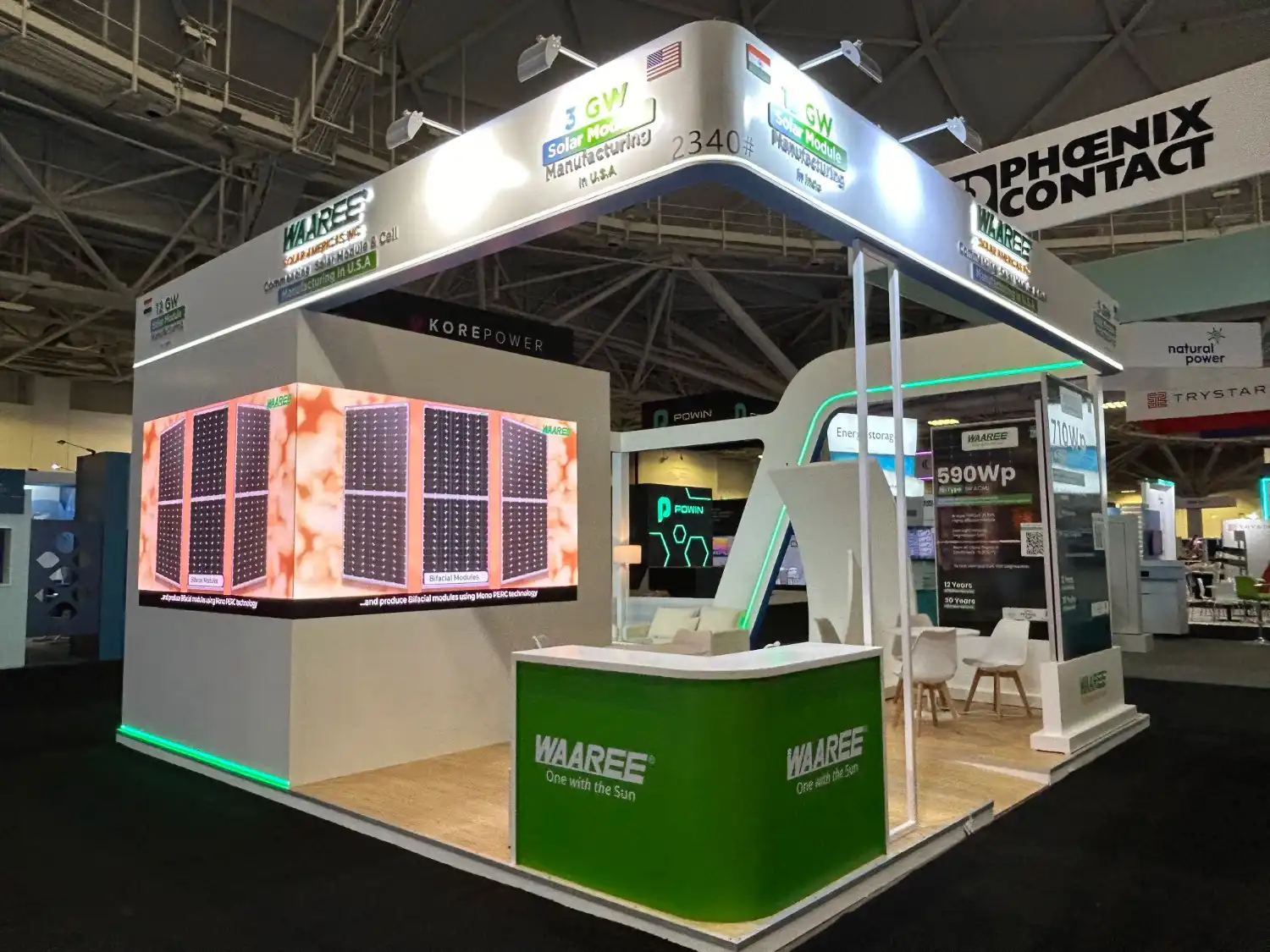
A custom exhibition stand is a one-of-a-kind structure designed and built specifically for your brand, your space, and your objectives. Nothing is off the shelf. Every element, from the flooring to the ceiling feature, is created from scratch.
A modular exhibition stand is built from a system of reusable, reconfigurable components that can be assembled in different layouts depending on the space. The components are pre-engineered and can be adapted across multiple events without starting the design process over.
Custom vs Modular: What Contractors Actually Recommend
Budget Shapes the Starting Point Every Time
Custom stands require a higher upfront investment because every component is purpose-built. Modular systems spread the cost across multiple events since the components are reused. Contractors consistently advise first-time exhibitors or businesses testing a new market to start modular and invest in custom once the event strategy is proven and the ROI is established.
Brand Ambition Determines Which Route Has More Ceiling
If your brand needs to make a visual statement that stops people mid-stride, custom is the more powerful tool. It allows for dramatic architecture, integrated lighting rigs, double-decker structures, and immersive environments that modular systems simply cannot replicate. For brands where show floor presence is a core part of the marketing strategy, the investment in custom design pays for itself in attention alone.
Event Frequency Tilts the Math Toward Modular
Businesses that exhibit four, six, or eight times a year across different venues and floor plan sizes benefit enormously from modular flexibility. The same system can be reconfigured from a ten-by-ten corner booth to a twenty-by-thirty island layout without rebuilding from scratch. The best exhibition stand builders in Atlanta regularly recommend modular systems to high-frequency exhibitors because the cost efficiency compounds significantly over time.
Lead Time Is a Practical Reality Worth Respecting
Production schedules for custom builds are much lengthier; it usually takes six to twelve weeks from approved design to delivery. Modular systems can often be turned around in two to four weeks because the components already exist and only need configuration. For exhibitors working with tight deadlines or booking events late, modular is the safer and more realistic option to hit the floor on time.
Storage and Logistics Carry Hidden Costs
Custom stands are large, heavy, and expensive to store and ship. They often require dedicated storage facilities and freight handling that adds to the total cost of ownership. Modular systems pack down into compact cases, ship via standard freight, and store in far less space. Over several years of exhibiting, those logistics savings represent a meaningful difference in the total budget picture.
Shell Scheme Spaces Have Their Own Rules
Not every event gives you an open floor plate to design freely. Many trade shows allocate shell scheme booths, which are pre-built framework spaces with fixed walls and standard dimensions. Ashell scheme booth in Miami requires a different design approach entirely, one where modular graphics and freestanding furniture work within the given structure rather than replacing it. Contractors recommend having a modular solution specifically configured for shell scheme spaces as part of a broader exhibit toolkit.
Hybrid Builds Offer the Best of Both Worlds
Many experienced exhibitors eventually land on a hybrid approach: a modular structural system combined with custom-designed graphics, feature walls, and branded elements. This gives the visual impact of a bespoke stand with the reusability and flexibility of a modular frame. Contractors often recommend this as the long-term strategy for brands that exhibit regularly but still want their booth to feel unique at every show.
How to Make the Final Call
Start by asking three questions. How many shows will this stand appear at? What is the total budget, including logistics and storage? And what role does visual difference play in this particular event? The answers will point clearly toward custom, modular, or a hybrid of the two. A contractor worth their experience will walk you through this honestly rather than defaulting to the more expensive option.
Final words
There is no universal right answer here as the most suitable choice depends on your brand, your budget, and your event calendar. Both approaches have their unique strengths as well as limitations. What matters is making the decision with full information rather than assumptions. If you want a build that reflects your brand at its sharpest, the best custom exhibition stand contractors in Denver will help you figure out exactly which direction that is before a single panel gets ordered.
FAQs
Can a modular stand be made to look as premium as a fully custom exhibition stand?
With high-quality graphics, strategic lighting, and well-chosen finishes, modular stands can achieve a very polished, premium appearance that rivals custom builds effectively.
How many times can a modular exhibition stand typically be reused before needing replacement?
Most quality modular systems are designed for twenty or more setups, with individual components replaced as needed rather than the entire system being retired.
Is it possible to add custom elements to a modular stand after the initial purchase?
Yes, the majority of modular systems are made to accommodate branded counters, bespoke graphic panels, and feature elements that can be changed in between events without requiring structural modifications.
What is the average cost difference between a custom and modular stand of the same floor area?
Custom stands typically cost two to four times more upfront than comparable modular systems, though the gap narrows when modular storage and reconfiguration costs are factored in over time.
Do exhibition stand contractors typically offer both custom and modular options or specialize in one?
Most established contractors offer both, allowing them to recommend the right solution based on your brief rather than steering you toward what they prefer to build.