How Do Exhibition Booth Design Companies Customise Booths for Different Industries?
August 5, 2026
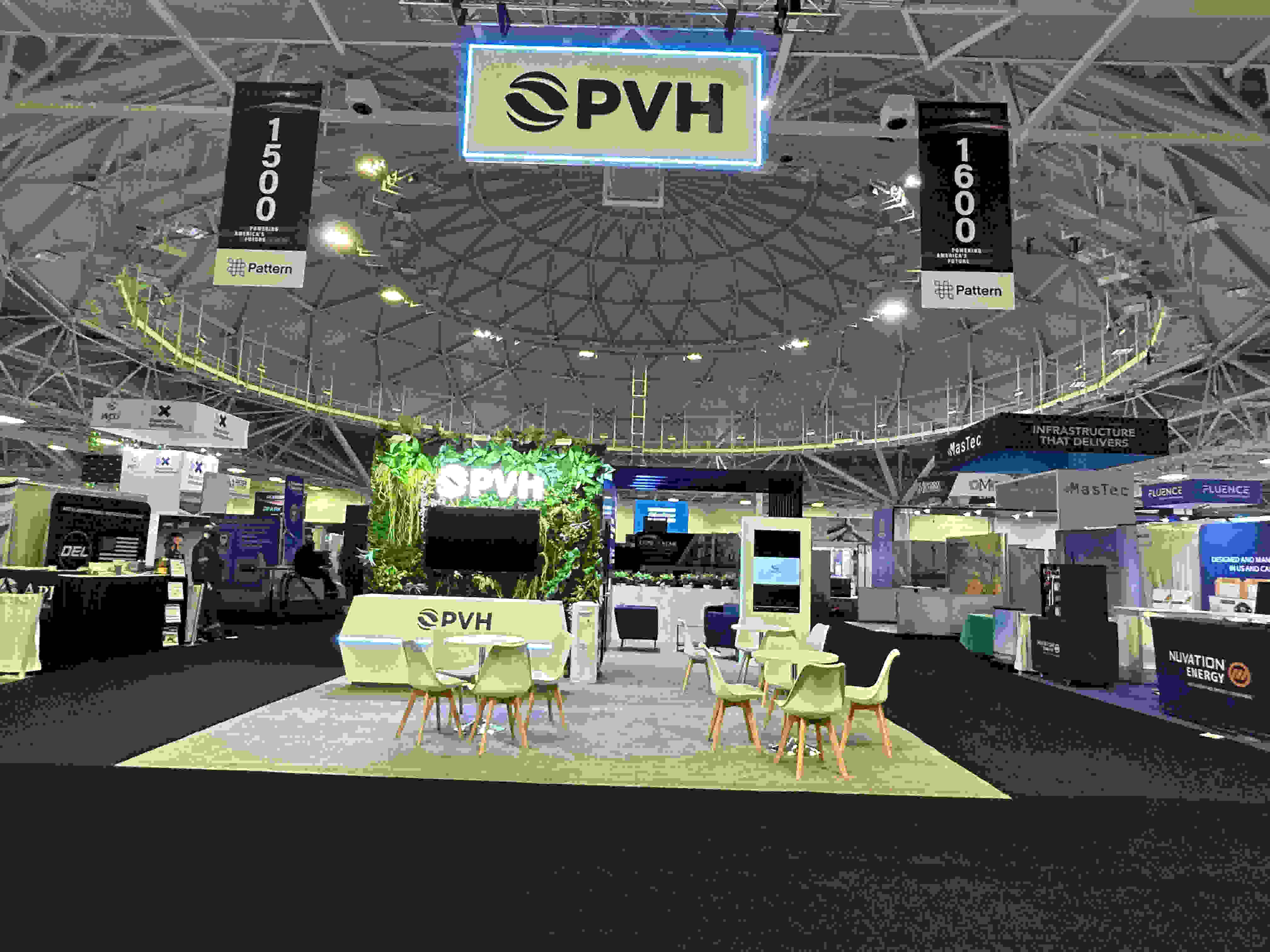
Walk any trade show floor and you’ll notice something interesting: no two booths ever feel quite the same, even when they’re selling similar products. That’s not coincidence, it’s deliberate craftsmanship, and it’s exactly what a skilled exhibition booth design company in Nashville brings to the table. Different industries need different visual languages to connect with the right audience. Stick with this guide, because it breaks down exactly how designers tailor booths to fit each industry’s unique personality and goals.
What Booth Customisation Actually Means
Booth customisation refers to designing exhibition spaces around a specific brand’s identity, industry expectations, and audience behaviour, rather than using generic templates. It involves layout planning, material selection, lighting choices, and interactive elements tailored to particular business goals.
Why Generic Booths Rarely Work Across Industries
The Problem With One-Size-Fits-All Layouts
A tech company and a food brand attract completely different crowds with different expectations. Using the same booth style for both often confuses visitors, weakens brand messaging, and fails to create the specific impression each industry actually needs.
How Audience Behaviour Shapes Design Choices
Some industries attract visitors who linger and ask detailed questions, while others draw quick foot traffic wanting fast, visual impressions. Designers study these behavioural patterns closely, shaping booth flow and interaction points around how people naturally engage.
How Designers Approach Different Industry Needs
Technology and Software Companies
Tech booths often prioritise sleek, minimalist aesthetics paired with interactive digital displays or product demos. Since decisions in this space rely heavily on functionality, designers create hands-on stations where visitors can test products directly rather than just observing.
Healthcare and Medical Equipment Brands
These booths lean toward clean, clinical layouts that convey trust and precision. Designers often incorporate demonstration areas for equipment, along with private consultation corners, since healthcare conversations frequently require more discretion than a typical open showroom setup.
Food and Beverage Exhibitors
Sensory engagement matters most here, so designers focus on sampling stations, warm lighting, and layouts that encourage visitors to pause and taste products. Colour choices often reflect the brand’s flavour profile, creating an inviting, appetite-driven atmosphere throughout.
Fashion and Lifestyle Brands
Visual storytelling takes centre stage, with designers using bold displays, curated lighting, and open walkways that mimic retail environments. The goal is creating an aspirational feel that reflects the brand’s aesthetic identity rather than a purely transactional showcase.
Industrial and Manufacturing Exhibitors
These booths typically require sturdier structures capable of displaying heavy machinery or equipment safely. Designers prioritise functional space planning, clear safety zones, and durable materials over decorative flourishes, since practicality matters more than visual flair here.
Key Elements Designers Adjust Across Projects
Spatial layout and traffic flow, ensuring visitors move naturally through the booth without feeling cramped or confused about where to go next.
Material and texture selection, choosing finishes that reflect industry tone, whether that means polished metal for tech or warm wood for lifestyle brands.
Lighting strategy, since bright, energetic lighting suits some industries while softer, focused lighting works better for consultation-heavy or luxury-oriented booths.
Interactive versus static elements, balancing hands-on demonstrations against simpler visual displays depending on what the target audience genuinely responds to best.
Why Location and Local Expertise Matter Too
Understanding Regional Trade Show Culture
Every exhibition city carries its own trade show rhythm and audience expectations. Working with a knowledgeable stand designer in New York or a similarly experienced local team often means better anticipation of venue regulations, crowd behaviour, and logistical realities.
Learning From Established Exhibition Hubs
Cities known for major trade shows often set design trends worth studying. Insights from a respected exhibition stand design company in Las Vegas, for instance, frequently influence booth strategies used across other exhibition circuits nationwide, given how much traffic those events attract.
Questions Worth Asking Before Hiring a Designer
Have They Worked Within Your Industry Before
Experience within a specific sector often means designers already understand common pitfalls, audience expectations, and effective layout strategies, saving time compared to starting completely from scratch with an unfamiliar industry.
Can They Adapt Designs for Different Show Sizes
Booths need to shift dramatically between a small regional show and a massive international exhibition, so flexibility in scaling designs up or down matters considerably for businesses attending multiple events yearly.
The bottom line
Booths aren’t just physical spaces, they’re visual conversations with potential customers. Choosing the right exhibition booth design company in Nashville means working with a team that genuinely understands how your industry thinks, moves, and engages, turning a simple display into a meaningful connection point.
Frequently Asked Questions
How far in advance should booth design planning begin?
Most companies start planning three to six months ahead, allowing enough time for design revisions, material sourcing, and construction before the actual event date.
Can existing booth structures be redesigned for a new industry focus?
Yes, many companies rework existing structures with new branding, layouts, and materials, which often costs less than building an entirely new booth setup.
Do smaller businesses need custom booth designs too?
Absolutely. Even compact booths benefit from thoughtful design, since limited space makes strategic layout and visual clarity even more important for smaller exhibitors.
How important is booth design for lead generation?
Extremely important. Well-designed booths attract more foot traffic and create memorable impressions, both of which directly influence how many quality leads a business captures.
Can one design work for multiple trade shows throughout the year?
Often yes, with modular adjustments. Many designers create adaptable structures that can be resized or restyled slightly to fit different show venues efficiently.