Top Layout Ideas to Maximise Small Exhibition Booth Spaces
June 29, 2026
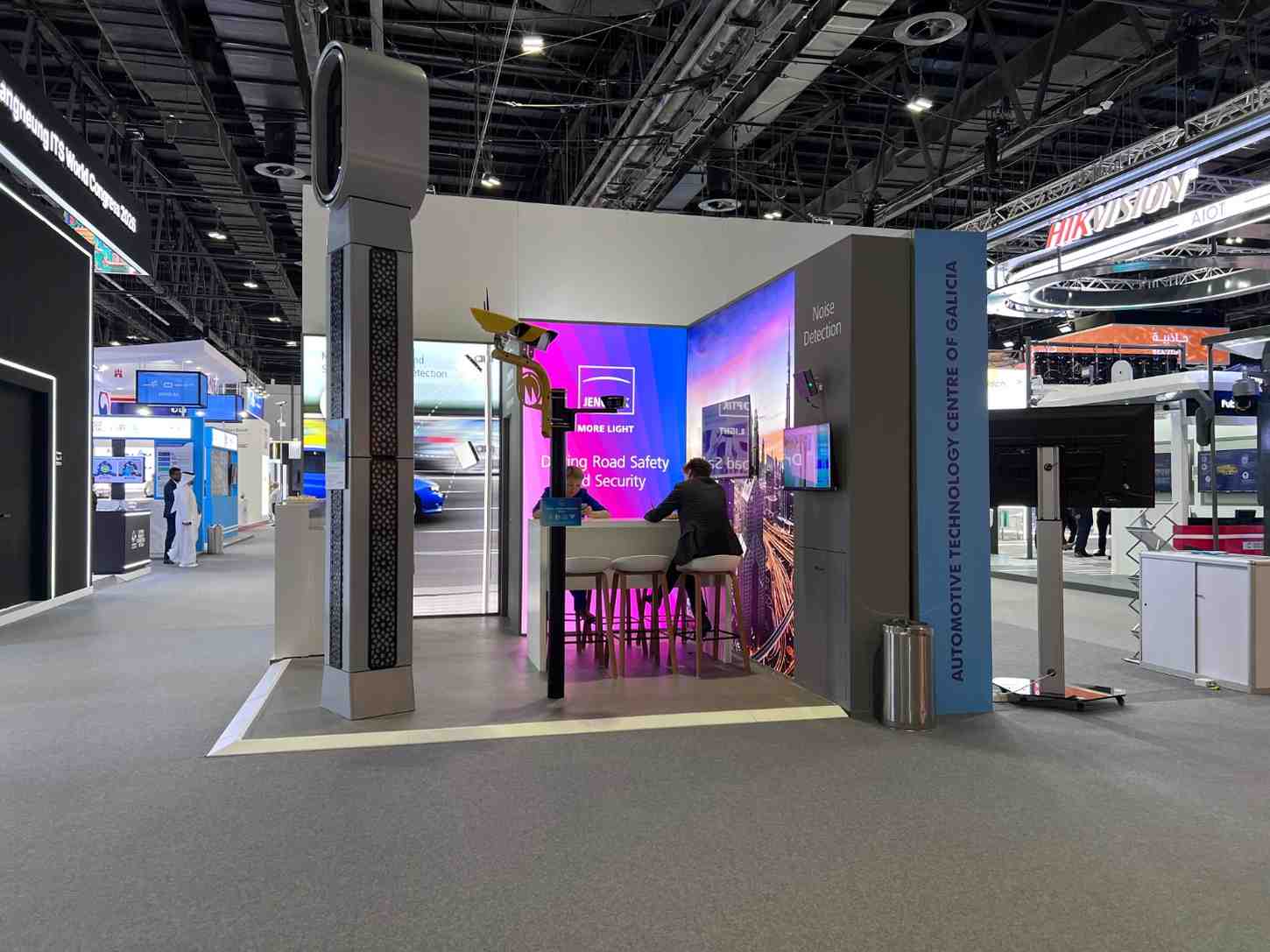
Small exhibition booths may have limited space, but that does not mean they cannot create a big impact. In fact, many successful exhibitors use smart layouts and creative planning to attract visitors and generate strong results from compact booth areas. The key is to use every available inch wisely while maintaining an open, professional, and welcoming environment that encourages visitors to stop, explore, and engage with your brand.
Why Booth Layout Matters More Than Booth Size
Many first-time exhibitors assume that a larger booth automatically performs better. However, a poorly planned large booth can be less effective than a well-organised small one.
A thoughtful layout helps:
Improve visitor movement
Increase product visibility
Create better engagement opportunities
Make the booth appear larger than it actually is
Companies like Booth Deck Expo understand that smart space planning often delivers better results than simply increasing booth size.
Create an Open Front Design
One of the best ways to maximise a small booth is by keeping the front open. Avoid placing large counters, walls, or furniture directly at the entrance.
An open-front layout:
Invites visitors inside
Improves visibility from multiple directions
Creates a more welcoming appearance
An experienced exhibition stand designer in New York often recommends open-access designs because they remove barriers between visitors and your brand.
Use Vertical Space Instead of Floor Space
When floor space is limited, the smartest solution is to build upward. Vertical design elements help attract attention without taking up valuable floor area.
Examples include:
Tall branding panels
Hanging signage
Vertical display shelves
Elevated digital screens
Many exhibitors work with an exhibition stand designer in New York to develop vertical layouts that increase visibility across busy exhibition halls.
Choose Multi-Purpose Furniture
Every item inside a small booth should serve more than one purpose whenever possible.
Good examples include:
Storage counters that double as display units
Seating with hidden storage compartments
Product display tables with integrated branding
This approach reduces clutter while keeping the booth functional and organised.
Design a Clear Visitor Path
Visitors should naturally know where to go once they enter your booth. A confusing layout can cause people to leave quickly.
A simple visitor path should:
Lead visitors towards key displays
Encourage interaction with products
End at a meeting or discussion area
Professional designers at Booth Deck Expo often create layouts that guide visitors smoothly through the entire booth experience.
Use Corner Booth Advantages
If your exhibition space is located on a corner, use both open sides effectively.
Corner layouts can:
Increase visibility
Attract traffic from multiple directions
Create separate zones for products and discussions
Small booths can feel crowded when everything competes for attention. Instead of displaying everything equally, create specific focus zones.
For example:
One area for product displays
One area for demonstrations
One area for lead collection
This helps visitors understand the booth quickly and improves their overall experience.
Replace Printed Materials with Digital Displays
Brochure racks and printed materials often occupy valuable space. Modern exhibitors increasingly use digital solutions instead.
Digital screens can:
Display multiple products
Show videos and presentations
Update content instantly
This creates a cleaner booth while providing more information to visitors.
Use Strategic Lighting
Lighting can influence how large a booth feels. Dark corners make small spaces appear smaller, while bright, evenly distributed lighting creates an open atmosphere.
Effective lighting strategies include:
Illuminated branding walls
LED display lighting
Accent lighting for featured products
Many projects managed by an exhibition stand designer in New York use lighting techniques to create a sense of depth and openness.
Keep Storage Hidden
Visible storage boxes, bags, and promotional materials can quickly make a small booth look messy.
To maintain a professional appearance:
Use concealed cabinets
Incorporate hidden storage counters
Store extra materials off-site when possible
A clean booth always appears larger and more organised.
Minimise Unnecessary Elements
One of the biggest mistakes exhibitors make is trying to fit too much into a small booth.
Avoid:
Excessive furniture
Too many product displays
Large decorative structures
Every element should have a clear purpose. Simplicity often creates a stronger impact than overcrowding the space.
Use Modular Display Systems
Modular systems are especially useful for smaller booths because they can be adjusted to fit different exhibition spaces.
Even in compact spaces, a small meeting area can improve visitor engagement. It does not need to be large.
A simple setup may include:
Two chairs
A compact table
Branded backdrop
This creates a comfortable environment for meaningful conversations without overwhelming the booth.
Create Strong Visual Hierarchy
Visitors should immediately know where to look when approaching your booth.
A strong visual hierarchy includes:
Large logo placement
Clear headline message
Featured product display
Supporting graphics
An experienced exhibition stand designer in New York understands how to arrange visual elements so visitors quickly absorb key information.
Plan for Staff Movement
Staff members need space to move comfortably and interact with visitors. Overcrowded layouts can make engagement difficult.
Good planning ensures:
Easy movement throughout the booth
Quick access to products and materials
Comfortable visitor interactions
Companies like Booth Deck Expo carefully consider both visitor and staff movement when designing compact exhibition spaces.
Final Thoughts
A small exhibition booth does not have to limit your success. With thoughtful planning, strategic layouts, and smart use of space, even compact booths can attract attention and generate valuable business opportunities. By working with experienced partners such as Booth Deck Expo, an expert exhibition stand designer in New York, or the best exhibition booth fabrication company in Chicago, businesses can transform limited space into a highly effective exhibition environment that delivers measurable results.
FAQs
How can I make a small exhibition booth look bigger?
Using vertical displays, open layouts, bright lighting, and hidden storage can make a small booth feel larger. A clean and organised design creates a more spacious appearance for visitors.
What is the best layout for a small exhibition booth?
Open-front layouts are often the most effective because they improve accessibility and visibility. They encourage visitors to enter naturally while creating a welcoming and professional environment.
Why is vertical space important in booth design?
Vertical space increases visibility without reducing floor area. Tall displays, banners, and shelving help maximise branding opportunities while keeping the booth organised and functional.
Should small booths include meeting areas?
Yes. Even a compact seating area can improve visitor engagement and create a comfortable space for discussions, helping businesses build stronger connections with potential clients.
Can modular displays work well in small exhibition booths?
Absolutely. Modular displays are flexible, easy to adjust, and designed to maximise available space. They allow exhibitors to create professional layouts while maintaining functionality and visual appeal.